Oman surprised us in the best way. It’s a country with some of the friendliest and most welcoming people we’ve ever met. Everywhere we went, locals were kind, helpful, and always ready for a chat. Life feels calm here, and the strong traditions give the country a very special atmosphere.
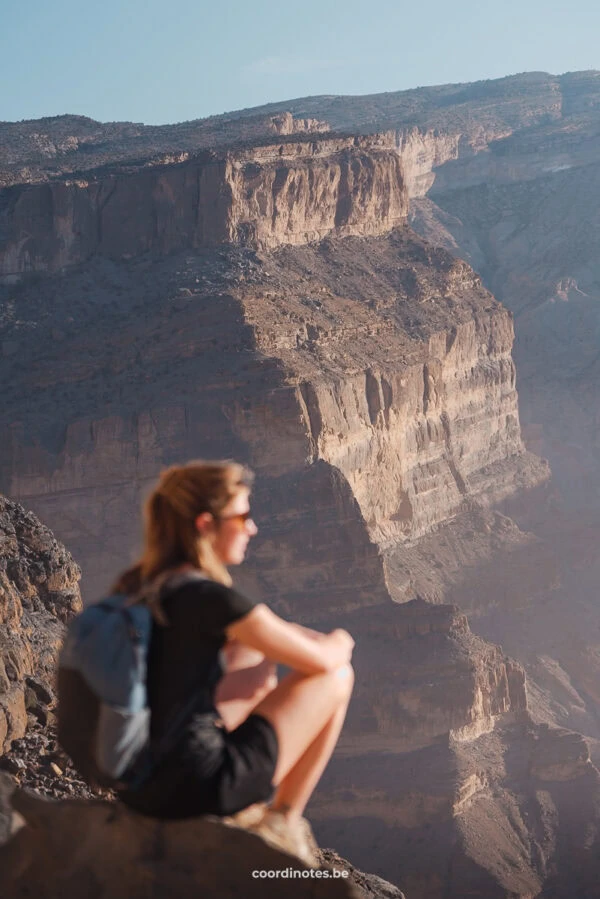
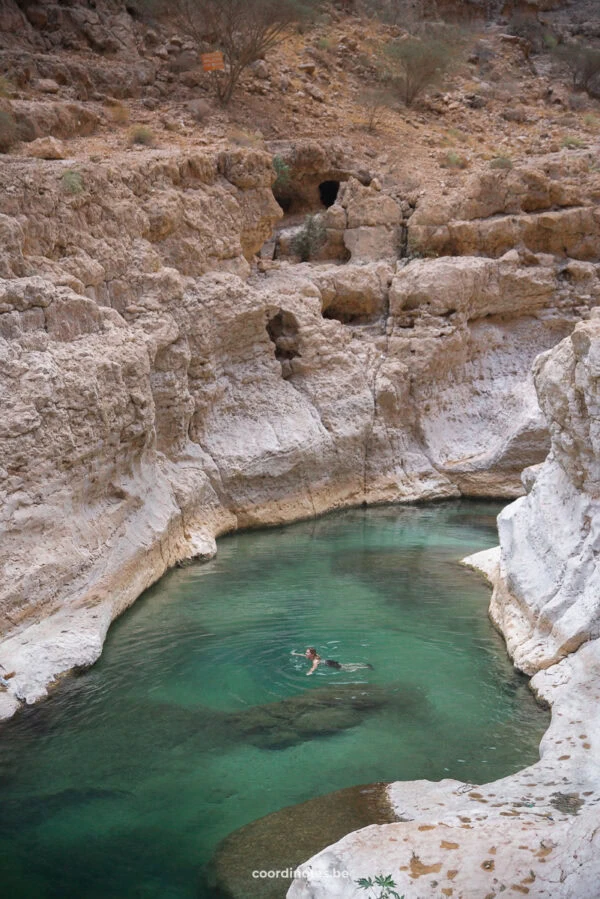
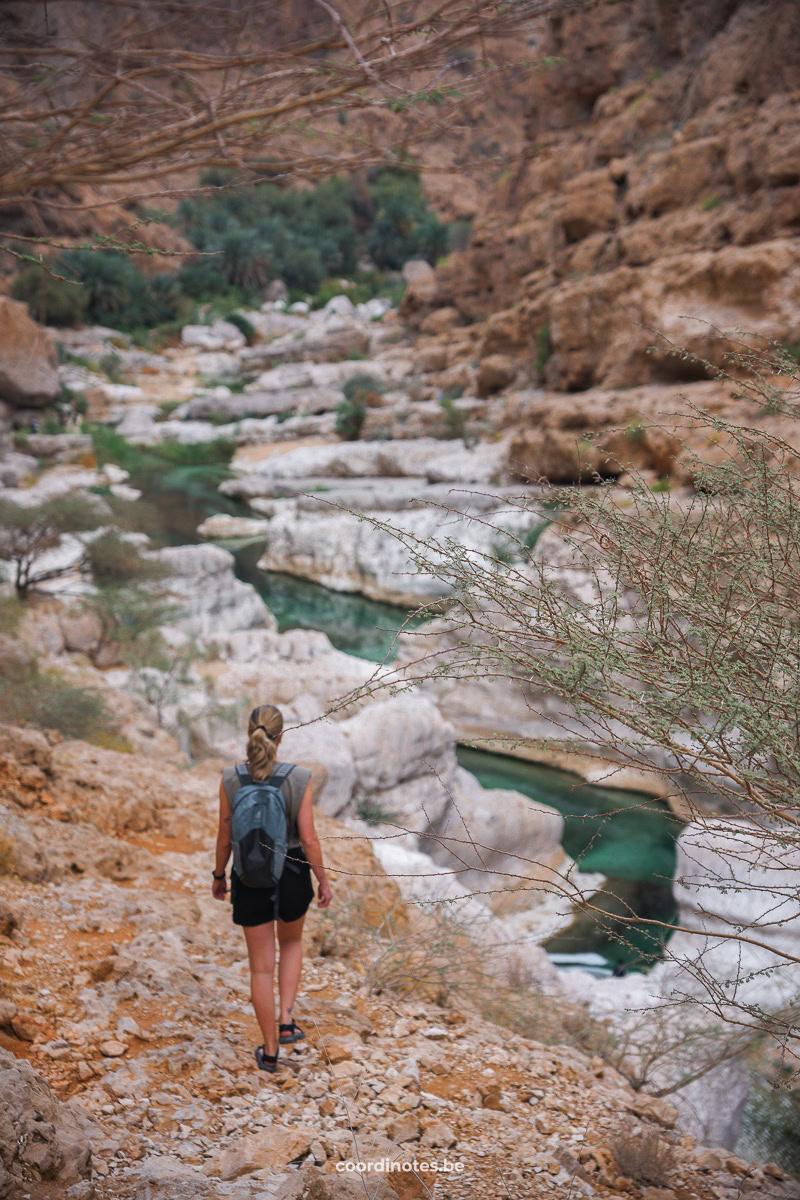
What really stands out is the diversity of the landscapes. You can go from the sea to the mountains, from green wadis to endless desert, all in a short drive. Some of the wadis don’t even feel real, with bright blue water hidden between rocky cliffs. Watching the sun rise over the sand dunes is an experience we’ll never forget. The food is simple and full of flavor, with slow-cooked meats, rice, fresh bread, and sweet dates.
If you’re planning a trip, check out our Oman travel guides for helpful tips and inspiration.
The summer months (May to September) in Oman are usually too hot for comfortable travel, with temperatures often exceeding 40°C. Outdoor activities and sightseeing can be difficult during this time, except in the Dhofar region, which becomes cooler and greener during the khareef monsoon.
Therefore, the best time to visit Oman is during the winter season (October to April), when temperatures are pleasant and ideal for exploring. This period is perfect for desert trips, mountain hikes, and cultural sightseeing.
It is also a great time for diving in Oman, with good visibility and calm seas from October to May. However, Whale shark season runs mainly from August to October, with the highest chance of sightings around September, especially near the Daymaniyat Islands.
Spring (March to April) and early fall (late September) are transitional months with warmer temperatures but fewer crowds, making them a good option for travelers who do not mind a bit of heat and want a quieter experience.
The official currency in Oman is the Omani Rial (OMR). You can pay by credit card in most hotels, larger restaurants, and shopping malls, but smaller shops, local markets, and taxis often only accept cash. It is therefore useful to carry some cash with you, especially for tips and small purchases.
ATMs are widely available in cities and tourist areas, where you can easily withdraw money. In more remote regions, ATMs can be limited or unavailable, so it is best to plan ahead.
The official language in Oman is Arabic. English is also widely spoken, especially in cities, hotels, and tourist areas.
Oman is, in general, a very safe country to travel to, with a very low crime rate. We personally felt so safe that it was even okay to leave our valuables in the car without worry. Violent crime is rare, and issues like pickpocketing are uncommon.
At times, we expected people to charge us or try to sell us something, but in many cases they were simply being genuinely kind and curious. Omanis are known for their hospitality, and most interactions with locals are friendly and sincere rather than pushy or misleading.
Tap water in Oman is treated and generally safe at the source, especially in major cities. However, many travelers choose to drink bottled water to avoid any issues related to older pipes or water storage tanks. It is safe to use tap water for brushing your teeth.
The dress code in Oman is modest and respectful, especially in public places. As a visitor, you are not expected to dress like locals, but covering up is important.
Both men and women should keep shoulders and knees covered in cities, towns, and villages. Loose, lightweight clothing is ideal due to the heat. Tight or revealing outfits are best avoided.
Women do not need to wear a headscarf in public, but tops should not be sleeveless or low cut, and skirts or shorts should fall below the knee.
Men should avoid sleeveless shirts and very short shorts in public areas.
When visiting mosques, stricter rules apply. Women must cover their hair, arms, and legs, and men should wear long trousers and sleeved shirts.
At hotels, resorts, and beaches, the dress code is more relaxed, but swimwear should stay within these areas only.
As Oman is an Asian country, European roaming charges don’t count. We therefore recommend purchasing an eSIM. We got an eSIM from Airalo.
Haggling is normal in Oman, but it is usually done in a polite and relaxed way.
You can bargain in souks, local markets, and small independent shops, especially for items like souvenirs, jewelry, textiles, or frankincense. Prices there are often flexible, and friendly negotiation is expected.
In contrast, haggling is not appropriate in supermarkets, malls, restaurants, hotels, or places with fixed prices. When bargaining, keep the tone respectful and light. Omanis value courtesy, and negotiations are often calm rather than aggressive.
Tipping in Oman is not mandatory, but it is appreciated.
In restaurants, a service charge is sometimes included. If not, leaving a small tip of around 5 to 10 percent for good service is common, especially in tourist areas.
For hotel staff such as porters or housekeeping, a small cash tip is appreciated but not expected.
Taxi drivers do not expect a tip, but rounding up the fare is a nice gesture.
For guides and drivers on tours, tipping is customary and welcomed if you are happy with the service.
In Oman, the standard power plug is Type G, the same as in the UK. It has three rectangular pins.
The standard voltage is 240V with a frequency of 50Hz.
Oman is in the Gulf Standard Time (GST) time zone, which is UTC +4. Oman does not observe daylight saving time, so the time stays the same throughout the year.