2-3 Week Laos Itinerary: Complete Travel Guide

These days, Laos is on many backpackers' Southeast Asia itineraries, but most travelers only make a brief stop in northern Laos while traveling between Thailand and Vietnam. However, Laos has so much more to offer. You can cruise scenic scooter loops in the heart of the country, experience its charming rural side, and explore amazing caves, powerful waterfalls, and other natural wonders. This 2-3 week Laos itinerary takes you along the must-see highlights of the country and includes some practical tips for an unforgettable trip!

Overview

2-3 week Laos itinerary

Laos is often overshadowed by its more popular neighbors like Thailand and Vietnam, and many travelers only pass through the north. But it’s well worth taking the time to explore further south, where you’ll find fewer tourists and more authentic experiences, like the Thakhek Loop. Despite being landlocked, the Mekong River flows through nearly 1,900 km of this beautiful country, giving it some very varied landscapes.

This 2-3 week Laos itinerary takes you from north to south, but feel free to reverse it if that works better. If you only have two weeks, the schedule is well-filled. With three weeks, you can take a more relaxed pace. Note that traveling between some of the destinations on this itinerary might take up to a full day, so check travel times in advance when preparing and planning your trip.

Got questions? Let us know in the comments!

Luang Prabang (2-3 days)

This 2-3 week Laos itinerary kicks off in Luang Prabang, a charming town that’s often the first stop for travelers. You’ll either arrive by bus, plane, or even by slow boat if you’re coming from northern Thailand. Luang Prabang has its own international airport, making it an easy destination to fly into. The slow boat takes you down the Mekong River, which takes about two days but offers amazing views along the way.

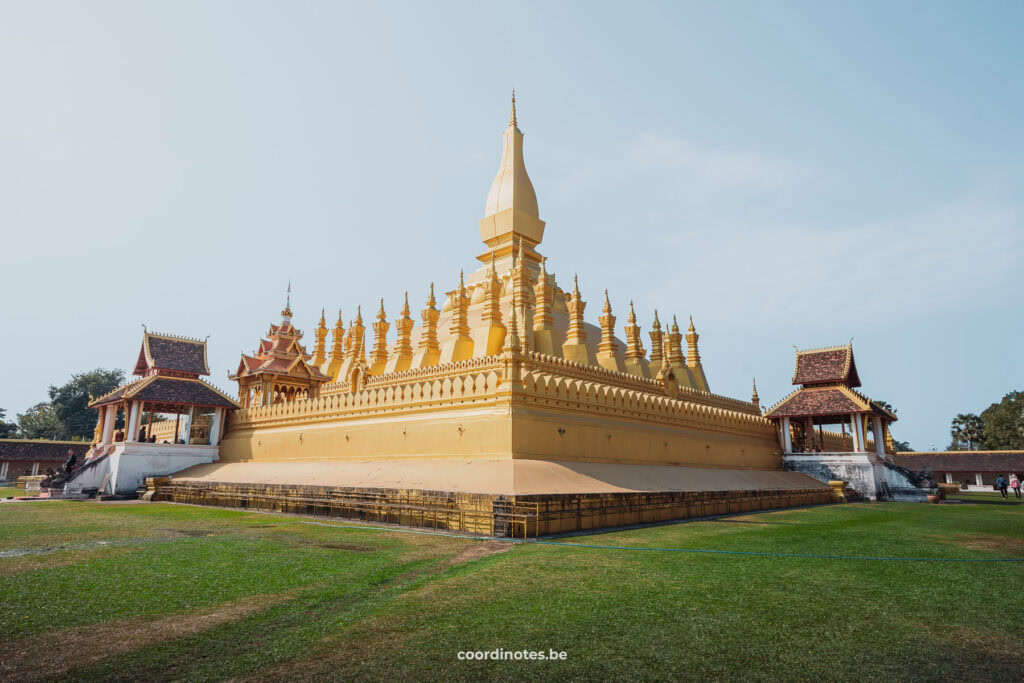
Pha That Luang

On your first day, you can recover from your journey to Luang Prabang and enjoy the town’s peaceful atmosphere. Spend your day wandering around the UNESCO-listed old town, where you’ll find beautifully preserved French colonial architecture and Buddhist temples. Don’t miss Wat Xieng Thong, one of Luang Prabang’s most famous temples, or head up to Mount Phousi for sunset, from where you have the best views of the city and the surrounding landscape.

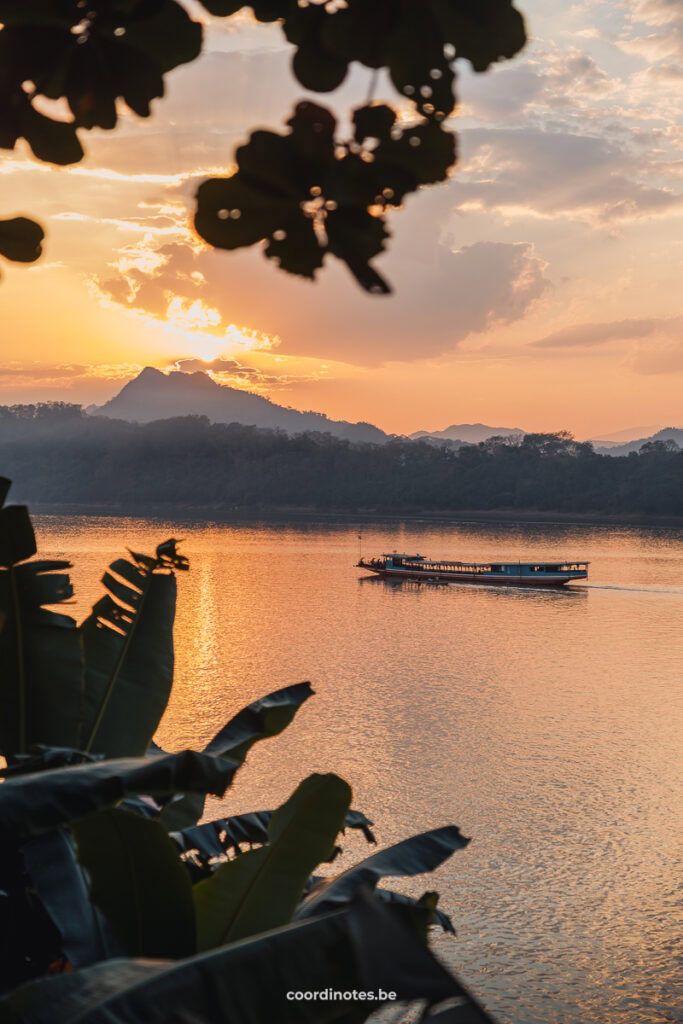
A beautiful orange sunset at the Mekong river in Luang Prabang

On your second day, you can take a trip to the stunning Kuang Si Waterfall, about 30 kilometers outside of town. It’s a must-see, with its turquoise pools perfect for a refreshing swim. If you’re up for it, hike to the top of the falls for even more impressive views. Afterward, you can enjoy a stunning sunset along the river shore of the Mekong. The rest of the evening, you can spend at the night market, where you can shop for souvenirs and try some delicious local street food.

If you have a third day in Luang Prabang, you can visit the Pak Ou Caves, filled with thousands of Buddha statues, or just spend more time soaking in the town’s relaxed vibe. There’s plenty to explore here, but Luang Prabang is also the perfect place to take it slow.

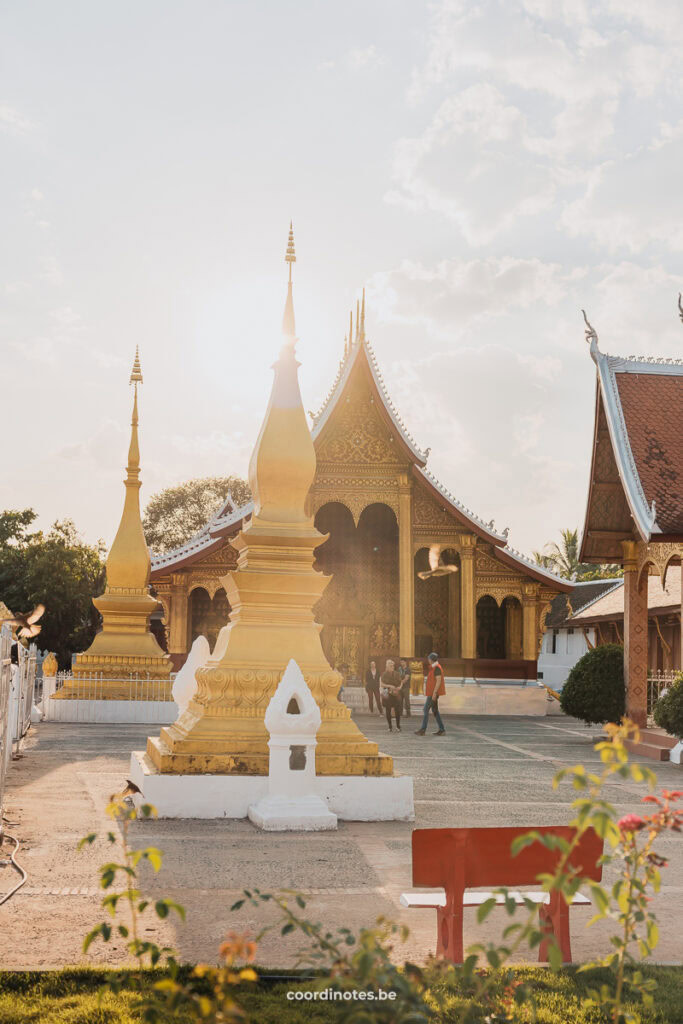
Wat Sensoukaram temple in Luang Prabang
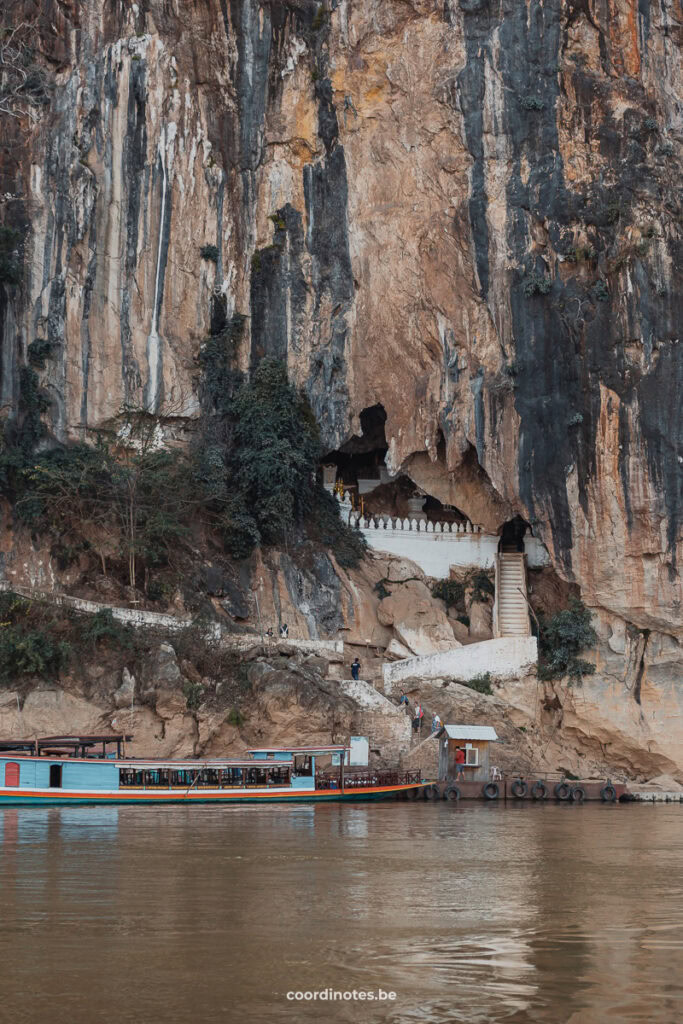
The view on the Pak Ou Caves and the stairs to the entrance, with a boat in front, seen from the slow boat on the Mekong river.

Where to stay in Luang Prabang

When it comes to staying in Luang Prabang, you’ve got plenty of great options. If you are looking to soak up the town’s charm, there are plenty of cozy guesthouses and boutique hotels right in the heart of the old town, close to the temples and night market. If you want something a bit quieter, there are some lovely riverside stays where you can relax with views of the Mekong or Nam Khan rivers. 

Vang Vieng (2-3 days)

After exploring Luang Prabang, your next stop on this Laos itinerary is Vang Vieng. It is a beautiful town known for its stunning limestone mountains and outdoor activities. You can get to Vang Vieng from Luang Prabang by bus or train, but we definitely recommend taking the train. It’s faster, more comfortable, and you’ll still get to enjoy the incredible views along the way.

On your first day, take it easy and explore the town, grab a bite at one of the riverside cafes, and enjoy the relaxed vibe. You can also rent a scooter or bike and ride through the beautiful countryside, visit one of the famous blue lagoons, passing rice fields and small villages.

West Vang Vieng Loop

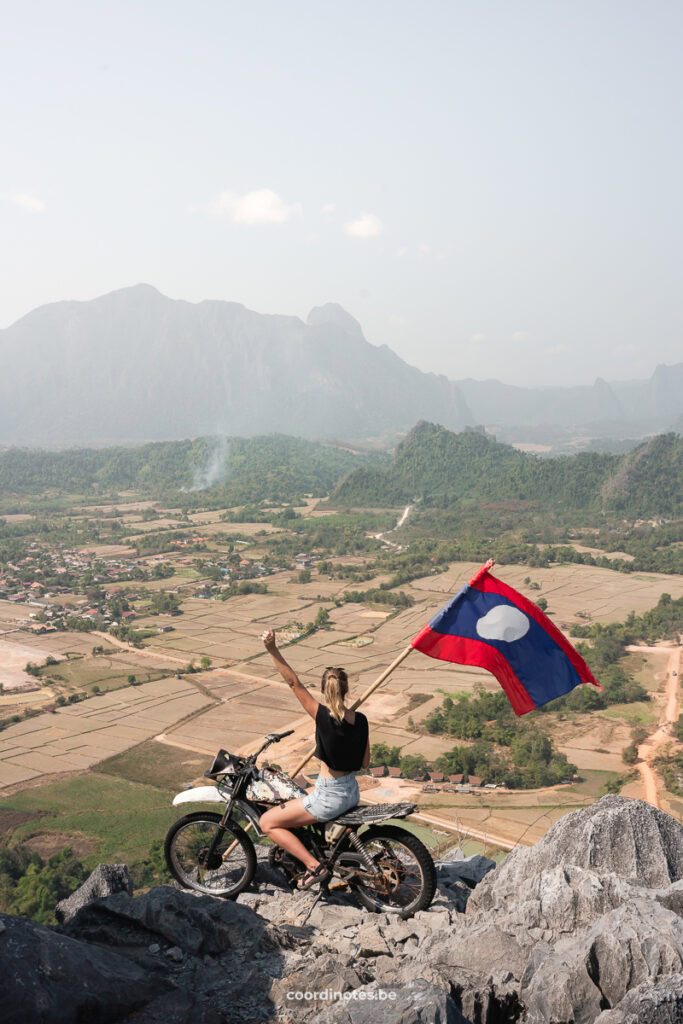
For day two, it’s time for some more action! You can go tubing down the Nam Song River, a classic Vang Vieng experience, or, if you’re into hiking, you can make your way to one of the epic viewpoints on top of a mountain over the surroundings. There are also tons of caves to explore, like the famous Tham Chang Cave. 

If you have a spare day, you can go for another activity like kayaking or rock climbing, or just spend more time exploring the surroundings.

Where to stay in Vang Vieng

Vang Vieng has plenty of hotels and hostels that are great for backpackers. If you enjoy being around other travelers or want to grab a drink and maybe hit a party, staying in the town center is a good option. But if you’re here to soak up the stunning nature and peaceful surroundings, we recommend staying a bit outside of town. Just keep in mind, no matter where you stay, Lao people love karaoke—you’ll find karaoke bars on almost every corner, and the singing often goes late into the night!

Vientiane (1-2 days)

It’s time to head to the laid-back capital of Laos Vientiane. To get there, you can take the bus or the train, but also for this journey, we recommend the train for a quicker and smoother trip.

When you arrive, you’ll quickly notice that Vientiane isn’t your typical bustling Southeast Asian capital. The vibe here is much more relaxed, without the hectic energy of bigger cities like Bangkok.

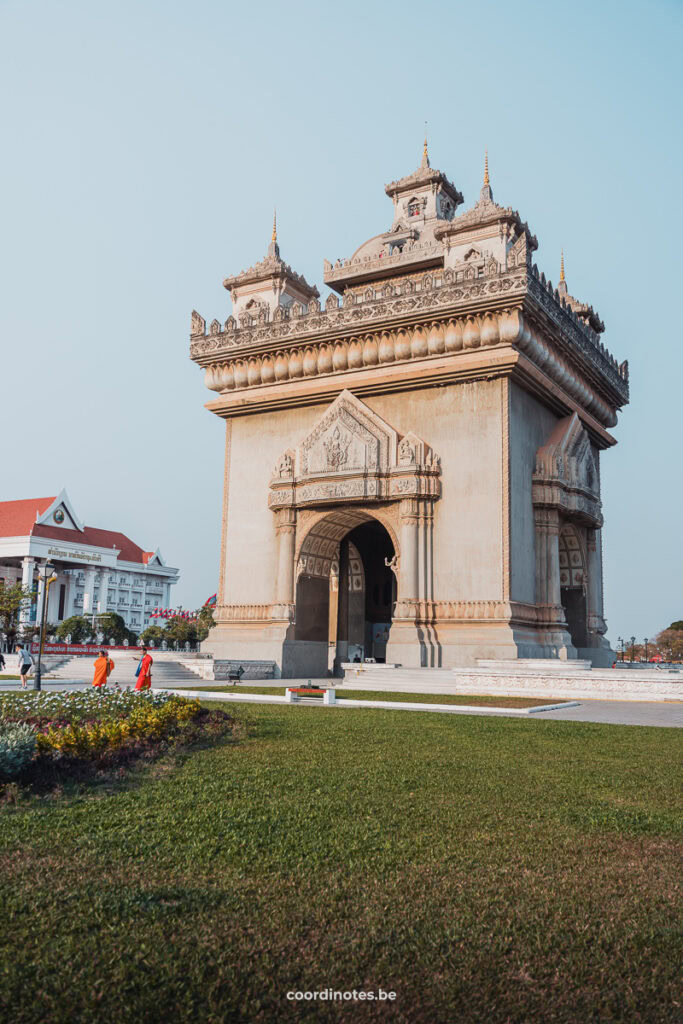
Spend your time exploring the city’s main sights, like the iconic Patuxai (a kind of Laotian Arc de Triomphe) and the golden stupa of Pha That Luang, the most important monument in Laos. In the evening, you can stroll through the night market to pick up some souvenirs and try some local food.

Since Vientiane is not that big, there’s not a ton to do, so one day is usually enough to see the main highlights. If you have more time, though, you can visit Buddha Park just outside the city, which is filled with interesting statues and sculptures. After that, you can spend the rest of your time relaxing along the Mekong River or chilling at a riverside café—or even a cat café!

Patuxai Monument in Vientiane
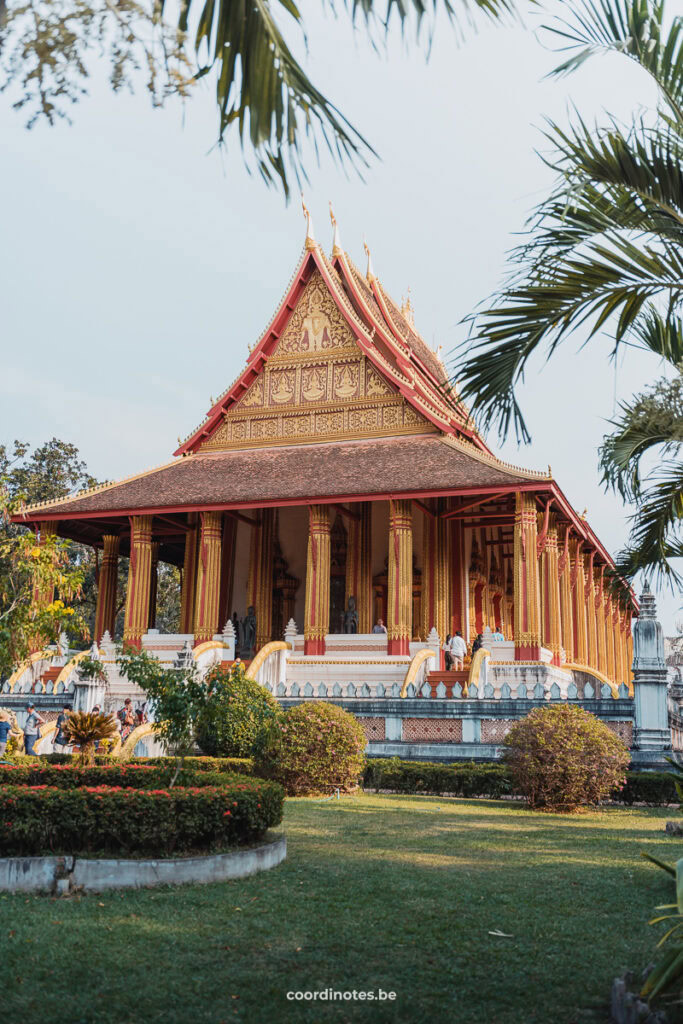
Haw Phra Kaew

Where to stay in Vientiane

You’ve got plenty of options to stay in Vientiane. Because it is not such a big city, everything is fairly close by and you can therefore just stay in the city center. You’ll find plenty of budget hostels, guesthouses, and mid-range hotels throughout the city and along the river.

Thakhek loop (3-4 days)

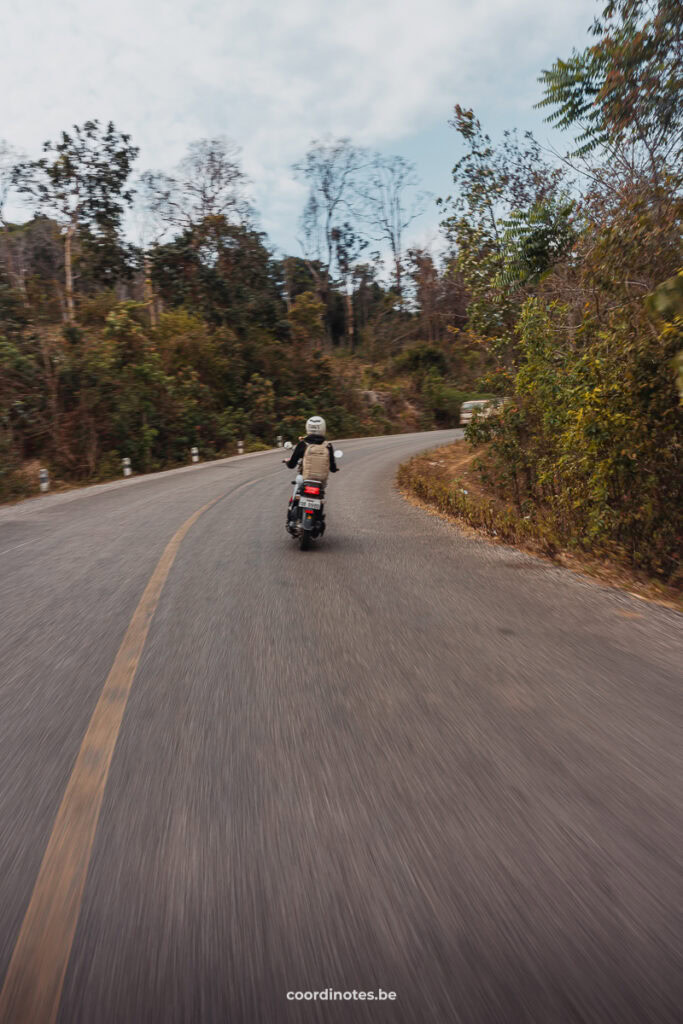
After soaking in the laid-back vibes of Vientiane, it’s time to dive deeper into rural Laos and drive the Thakhek Loop. This epic motorbike loop takes you through some of the most stunning countryside of Laos. And the best part? It’s way less touristy compared to hotspots like Luang Prabang or Vang Vieng.

Note: Keep in mind that you need a full day to travel by bus from Vientiane to Thakhek.

Thakhek Loop
Dragon Cave

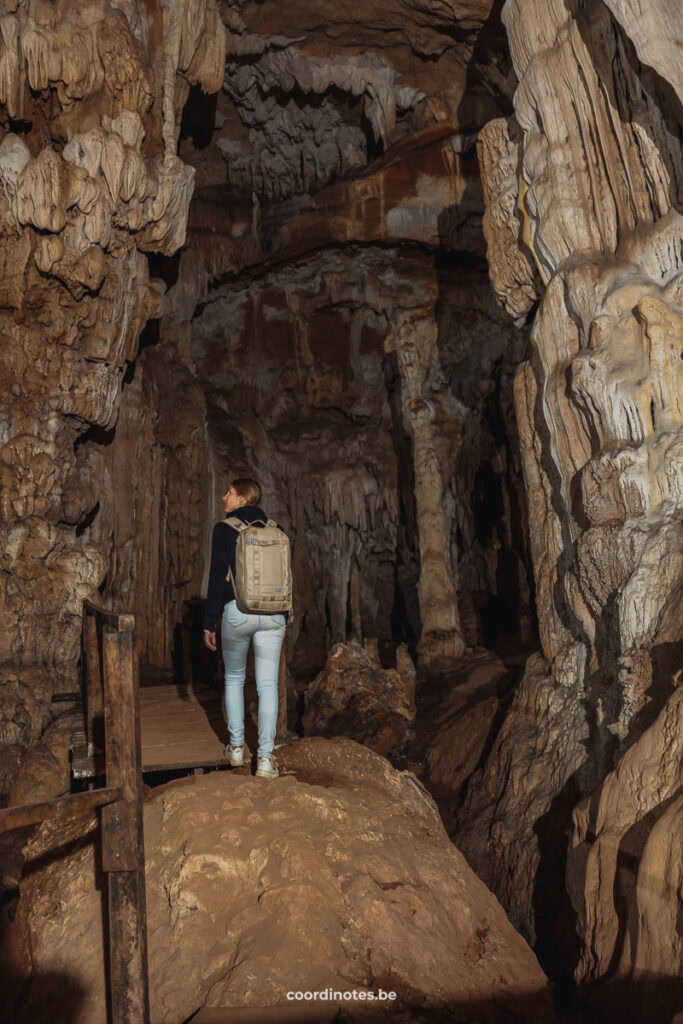
The Thakhek Loop typically takes 3-4 days, depending on how much time you want to spend exploring caves, lakes, and villages. You’ll pass through hidden gems like the famous Kong Lor Cave, where you can take a boat ride through an underground river.

You drive along long stretches of road with little but rice fields, grazing buffalos, and small villages where you’ll feel like life stands still. It’s the perfect way to experience the rural charm of Laos, away from the crowds

Thakhek Loop

Where to stay in Thakhek

Traveling from Vientiane to Thakhek takes almost a full day, so you’ll likely arrive in Thakhek in the evening and will need to stay at least one night before heading the road. The town has some cozy guesthouses and budget hotels, perfect for resting up before starting the loop and/or after completing the loop to unwind. For more details on where to stay along the route itself, check out our guide to the Thakhek Loop.

Pakse & Bolaven Plateau (2-3 days)

If you enjoyed the Thakhek Loop, get ready for another motorbike adventure with a slightly different vibe! From Thakhek, head to Pakse by bus to explore the Bolaven Plateau on the Bolaven Plateau Loop, also known as the Pakse Loop. 

Note: Keep in mind that the journey from Thakhek to Pakse takes almost a full day.

The Bolaven Plateau Loop usually takes 2-3 days, perfect for discovering this area, which is famous for its lush landscapes, coffee plantations, charming villages, and stunning waterfalls. interesting coffee farms.

If you have some time left in Pakse, it is definitely worth visiting the UNESCO world heritage site of Wat Phou a little further away in the village of Champasak.

Pakse Loop
Wat Phou in Champassak

Where to stay in Pakse

Just like in Thakhek, it’s a good idea to spend a night in Pakse to gear up for the Bolaven Plateau Loop. Pakse has plenty of budget hotels and guesthouses, so you can relax before hitting the road and after finishing the loop, it’s also a nice spot to chill. If you loved the Thakhek Loop, you’re going to enjoy this one too! The Bolaven Plateau Loop takes you through lush coffee plantations, towering waterfalls, and local villages.

For more info on where to stay along the Bolaven Plateau route, check out our guide to the Bolaven Plateau Loop!

4000 Islands - Si Phan Don (2 Days)

Once you’ve wrapped up the Bolaven Plateau Loop in Pakse, it’s time to slow things down and head to your last destination on this Laos itinerary, Si Phan Don, also known as the 4000 Islands. This laid-back area in the far south of Laos is the perfect place to unwind after days of riding. Think hammocks, riverside bungalows, and sunsets over the Mekong.

Don Det and Don Khon are the most popular islands, where you can rent a bike and explore at your own pace. Discover waterfalls, visit tiny villages, and kayak on the river. It’s a super chill spot with a relaxed vibe—completely different from the motorbike loops but the perfect way to wrap up this Laos itinerary.

Where to stay in 4000 Islands

Don Khong is the largest of the 4000 Islands and has more development and facilities, including a range of accommodations from guesthouses to mid-range hotels. It’s a little less cozy than Don Det and Don Khon but you’ll have a bit more comfort.

Don Det is very popular among backpackers with a relaxed, hippie vibe and plenty of riverside bungalows and budget-friendly guesthouses. Despite its charm, electricity is unreliable, so you can expect occasional power cuts.

Don Khon is the quietest island, connected to Don Det by a small bridge. On this island, you’ll find simple guesthouses and a few bungalows, making it ideal for a tranquil escape with fewer tourists.

How to travel around Laos

To travel between the main destinations on this Laos itinerary, you can either travel by train or by bus. You can often check the bus and train schedules and book online, or go to a local booking office.

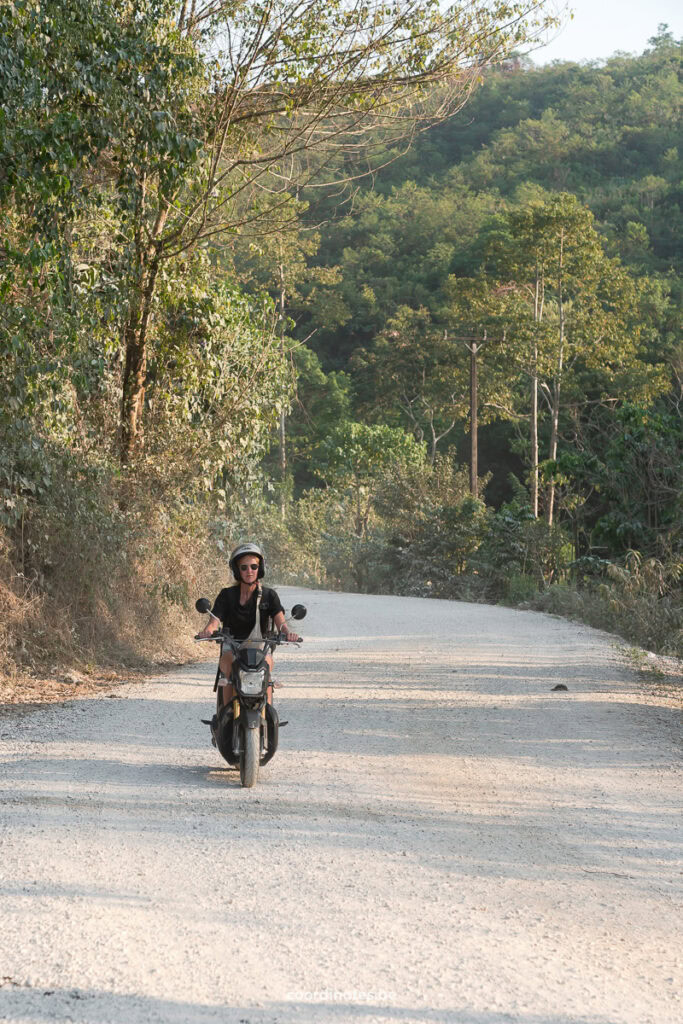
Within most of the places on this Laos travel itinerary, the best way to get around is by renting a scooter. Especially for the Thakhek loop and to explore the Bolaven Plateau, you’ll need to rent a scooter.

Note: The one place where riding a scooter is strongly discouraged is from Luang Prabang to Kuang Si Falls. The road is slippery and dangerous, with frequent accidents. Read more information about visiting the Kuang Si Falls.

The 360 view of the city of Luang Prabang from Mount Phousi with towering mountains in the background.

By train

The north of Laos has recently been provided with a comfortable train network as far as Vientiane. If you’re traveling between different places in the north, we recommend taking the train—it’s much more comfortable than the bus. We found it a pleasant, fast, and affordable way to travel in Laos.

By bus

Almost all main destinations in Laos are connected by bus. However, the distances are sometimes quite long and this is not always the most comfortable way to travel. If possible, we recommend that you take a train while traveling in the north of Laos. Further south, you’ll still need to take the bus, so be ready for long rides and bumpy roads.

By boat

If you are traveling from the north of Thailand to Luang Prabang, you can take the slow boat. To get to one of the islands of Si Phan Don, you’ll need to catch a ferry.

Transport in Asia

The best way to travel around Asia is through our partner. It is very user-friendly and easy to organize your trips.

By air

Luang Prabang, Pakse, Vientiane and Savannakhet all have an international airport with direct flights between these different cities. It’s a smooth way to cover long distances if you want to skip certain places.

Best time to visit Laos

Overall, the best time for this Laos itinerary is from November to March during the dry season when it’s pleasantly warm and sunny. Note that it can still get chilly at night in the mountains, especially in December and January. Also, keep in mind that this is high tourist season, so expect larger crowds.

Temperatures start to climb in April, and by late May, the rainy season begins. You’ll see higher temperatures and more frequent rain showers during this time.

Win-Win for everyone

Did you know that, if you buy or book something through our links, we receive a small commission?

However, you still pay the same and therefore have no extra costs! So a win-win for everyone. This way, we can continue to add even more travel inspiration and tips to this blog for your next adventure. Thanks a lot!

Thank you for visiting our blog

We hope you find our free travel guides and tips useful. If you want, you can support us virtually by ‘buying us a coffee‘.
Every contribution, no matter how small, is greatly appreciated and will help us continue to share our passion with you and grow this blog.

[kofi]
Last updated: September 18, 2026

Win-Win for everyone

Did you know that, if you buy or book something through our links, we receive a small commission?

However, you still pay the same and therefore have no extra costs! So a win-win for everyone. This way, we can continue to add even more travel inspiration and tips to this blog for your next adventure. Thanks a lot!

Last edited: 18/09/2026

Travel Tips

An oryx in the desert, surrounded by sand.

5 Destinations you must visit in 2026

Van Conversion - Lewis

18 Vanlife Hacks to Make your vanlife Easier


Flights to Laos

Hotels in Laos


Travel Planning & Tips


Buy us a coffee

We hope you find our free travel guides and tips helpful.
It would be awesome if you support us by ‘buying us a coffee’ so we can keep this blog alive.


Shop

Leave a Reply

Your email address will not be published. Required fields are marked *