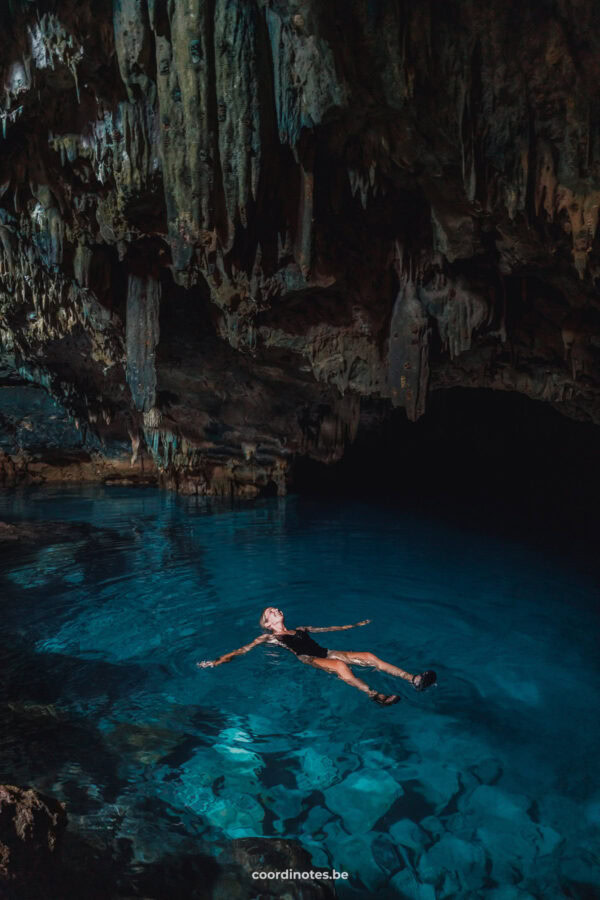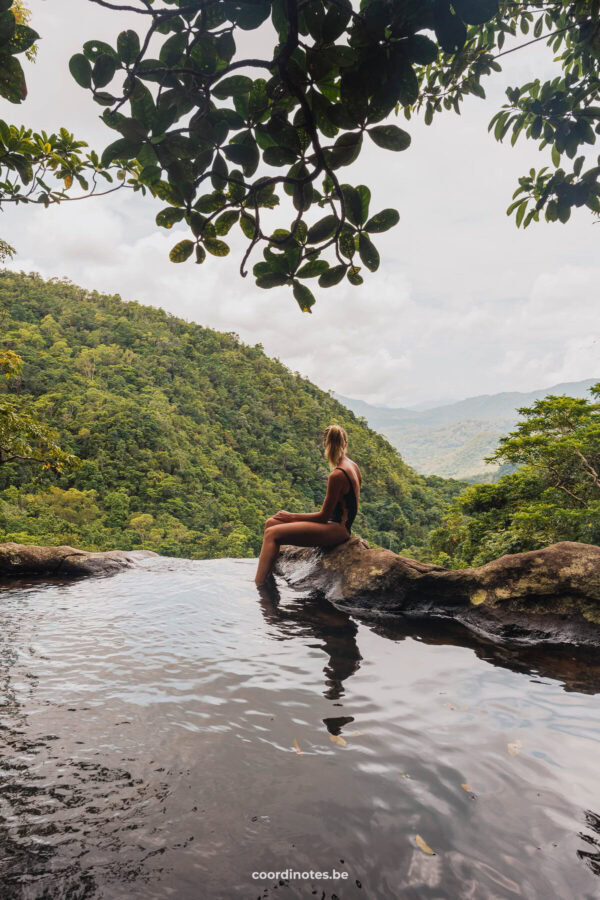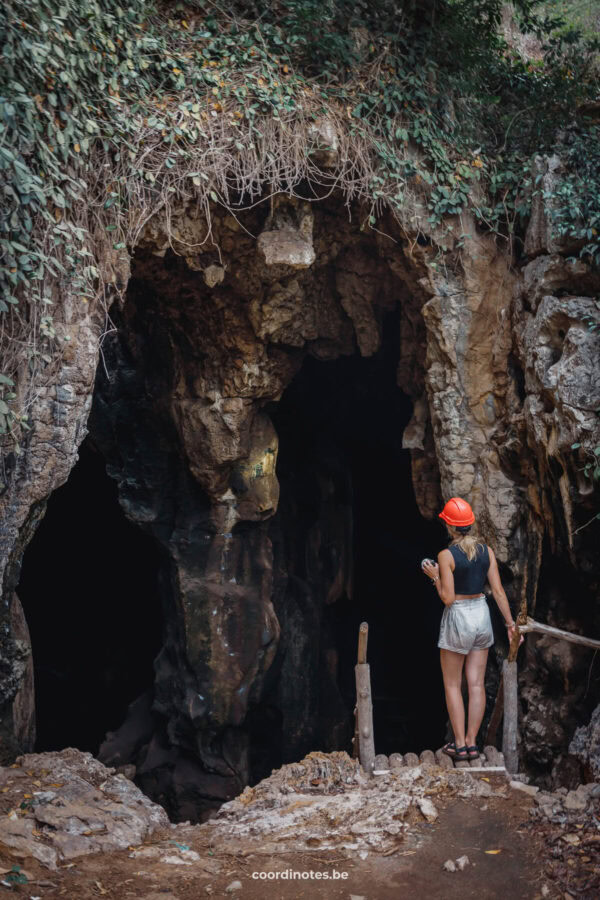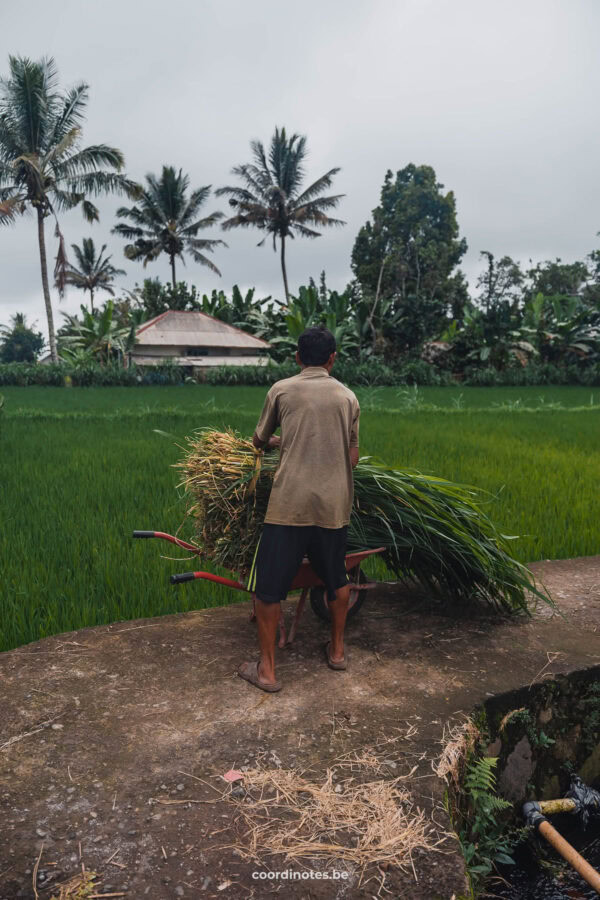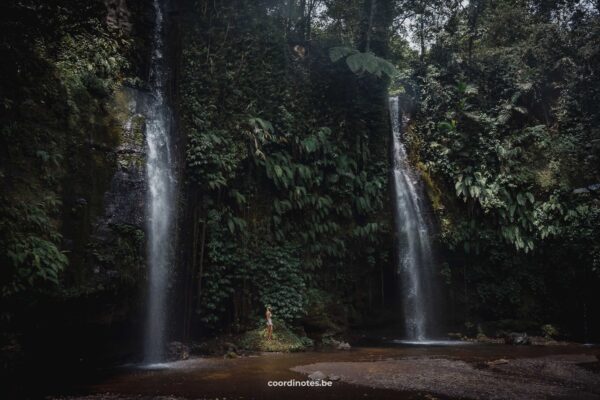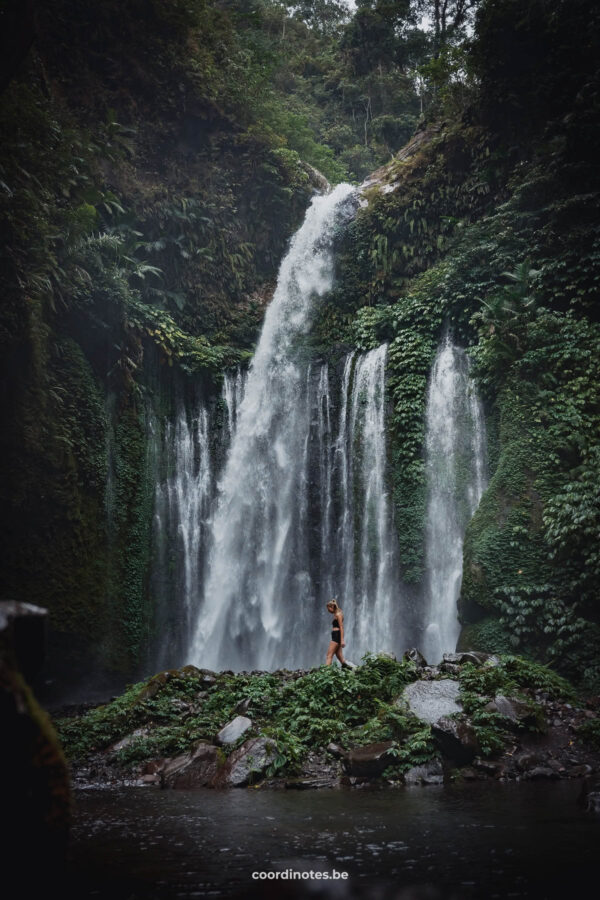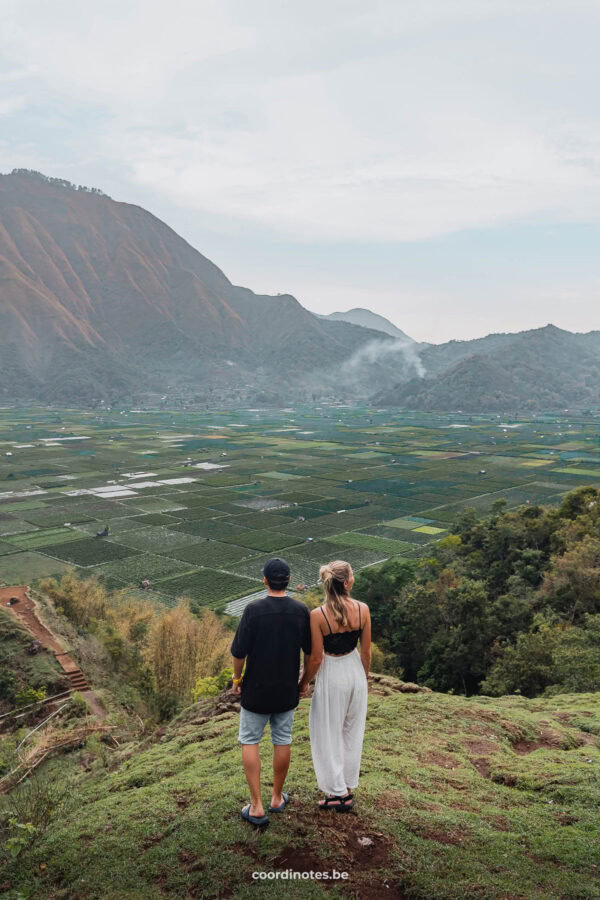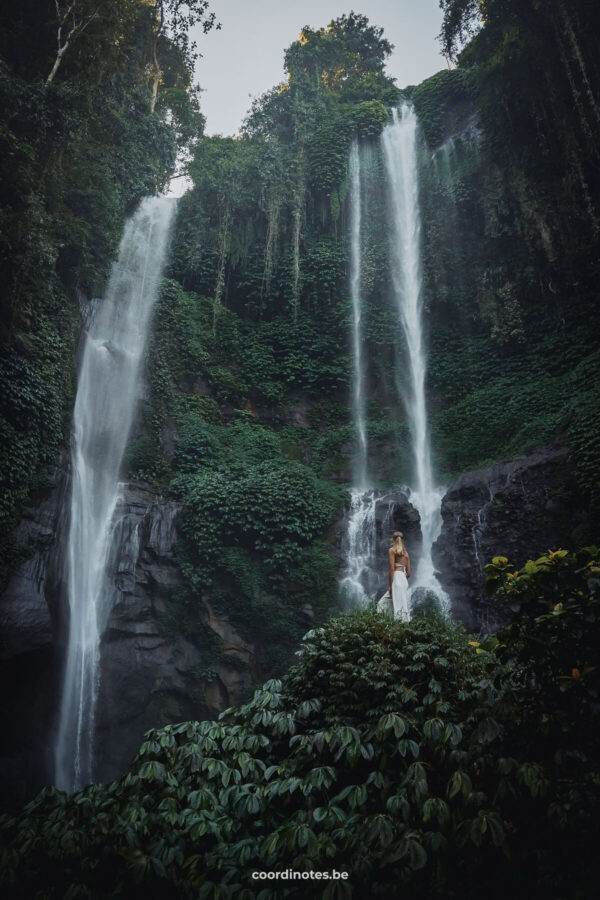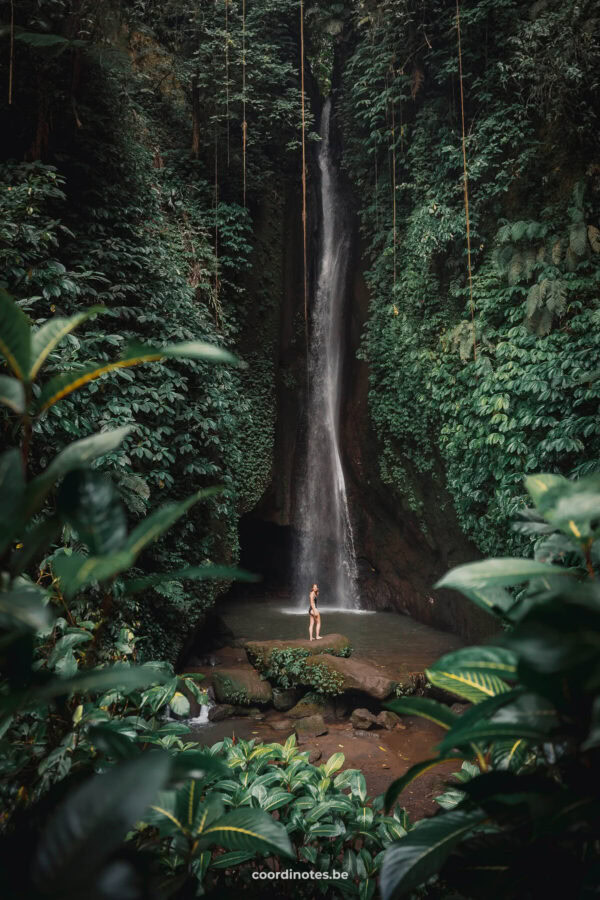
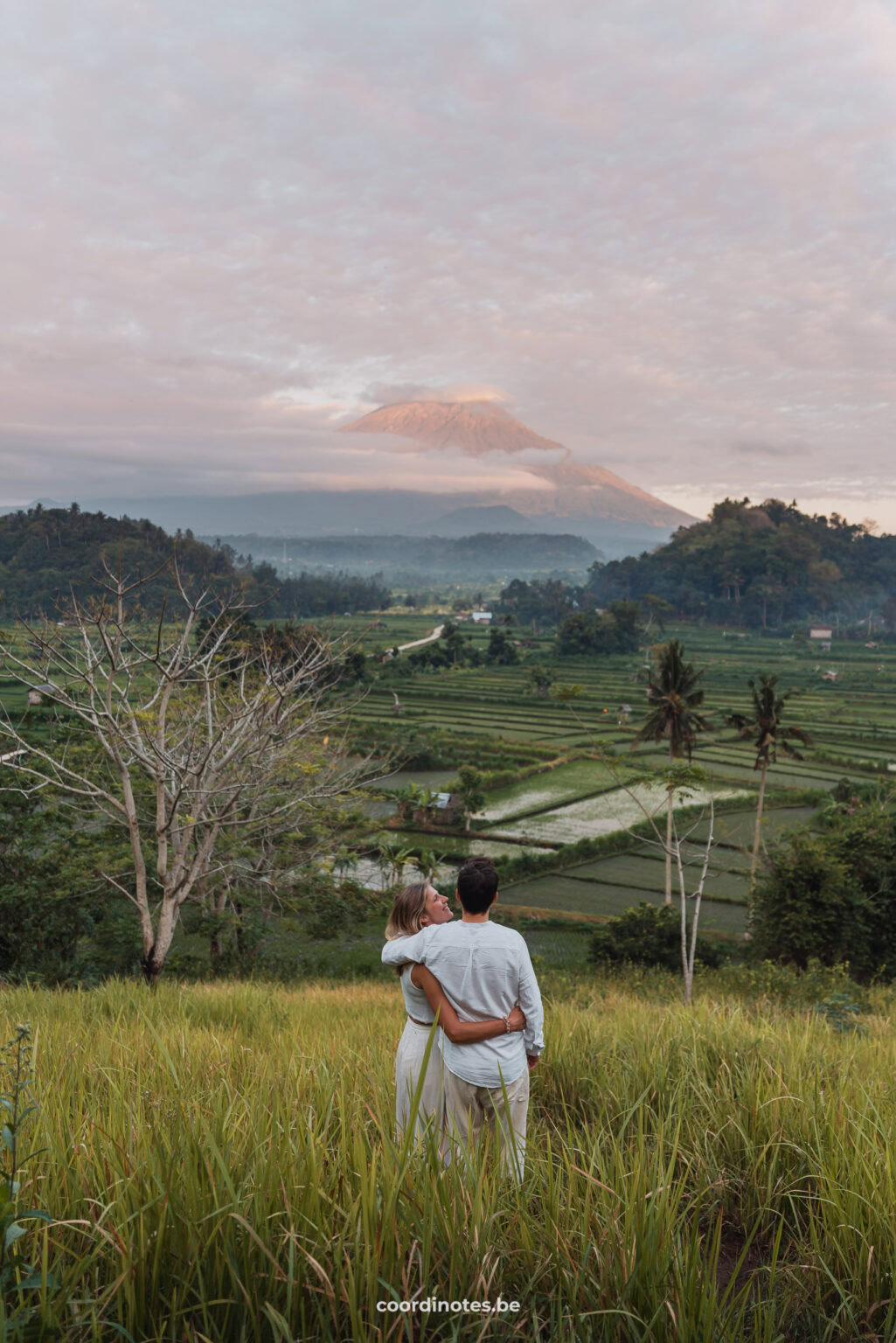
Indonesia is a fascinating country in Southeast Asia with over 17.000 islands to explore, each unique and beautiful. From big cities like Jakarta to the tropical paradise of Bali and remote places like Raja Ampat, there’s a lot to explore. Indonesia has a vibrant culture with interesting traditions and the most charming people.
It’s a country where you can discover the beauty of nature, both on land and underwater, all around you.
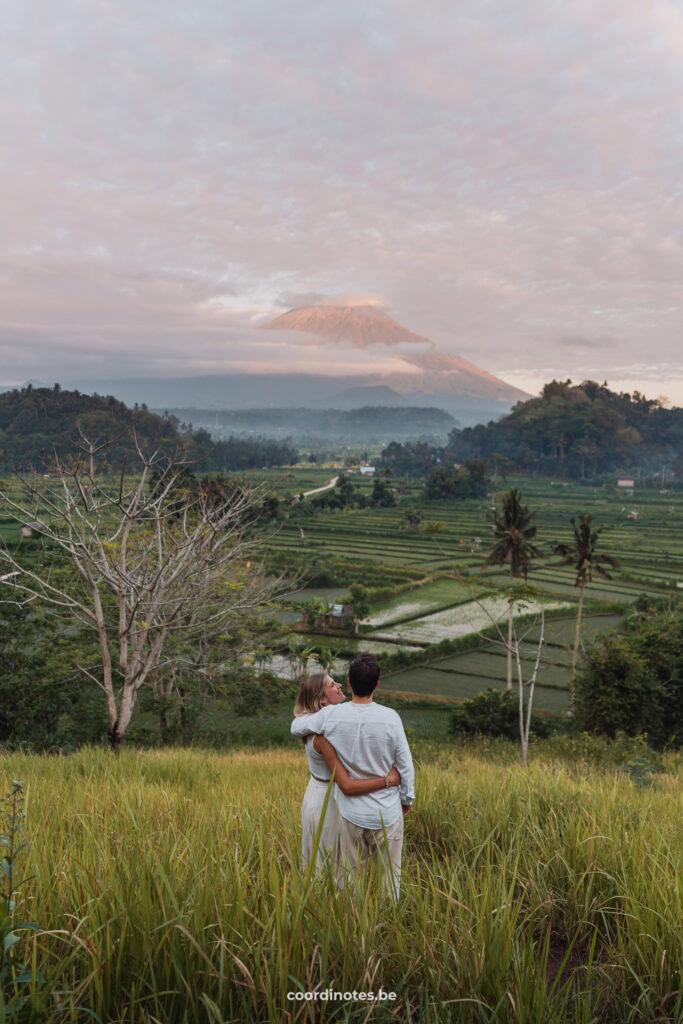
Indonesia is a fascinating country in Southeast Asia with over 17.000 islands to explore, each unique and beautiful. From big cities like Jakarta to the tropical paradise of Bali and remote places like Raja Ampat, there’s a lot to explore. Indonesia has a vibrant culture with interesting traditions and the most charming people.
It’s a country where you can discover the beauty of nature, both on land and underwater, all around you.
Indonesia experiences only two seasons: the wet season and the dry season. In the past, these periods were perfectly defined. Unfortunately, it happens more often that weather conditions are mixed up and less predictable due to global warming. Therefore, it is more difficult to say when the best time to travel to Indonesia is based on the weather alone. Luckily, due to its location, Indonesia experiences high temperatures all year round.
The best time to visit Indonesia is generally between April and October , during the dry season. Know that July and August are high season and that is when you can expect the biggest crowds. Therefore, the shoulder months of May, June, September, and October are the most ideal periods. Most of the time, you can expect dry weather during the dry season.
Yet, the rainy season also has its advantages: Nature is much greener, the waterfalls even more impressive, fewer crowds, and lower prices. Temperatures remain high, at an average of 28°C, but the days will feel more humid. So, the best time to travel to Indonesia depends entirely on what you prefer and what you plan to do in this beautiful country.
The official currency in Indonesia is the Indonesian Rupiah (IDR) and you can pay by credit card in bigger restaurants, hotels, and shops in tourist areas, but not everywhere. Especially not in the smaller, local restaurants, bars, and shops. It is therefore always useful to have enough cash with you.
You will find ATMs in every tourist area and/or major cities where you can withdraw money, but not in the more remote places.
The official language in Indonesia is Indonesian. English is generally not widely spoken, except in the major tourist areas.
Indonesia is, in general, a safe country to travel. There are a few safety risks you might want to be aware of, such as natural disasters and thefts in the more touristic areas. There are also some areas you should avoid due to civil unrest.
Tourists are sometimes taken advantage of and get scammed . Some very common scam are overpriced taxis, money exchange scams and scooter scams.
Indonesia is, in general, a safe country to travel. There are a few safety risks you might want to be aware of, such as natural disasters and thefts in the more touristic areas. There are also some areas you should avoid due to civil unrest.
Tourists are sometimes taken advantage of and get scammed . Some very common scam are overpriced taxis, money exchange scams and scooter scams.
Indonesia is generally relaxed when it comes to clothing, especially in tourist destinations such as Bali. However, as the country is predominantly Muslim, it’s important to dress respectfully, particularly when visiting religious sites or rural areas.
For everyday sightseeing, lightweight and breathable clothing is ideal due to the tropical climate. Swimwear is acceptable at beaches and hotel pools, but it’s best to cover up when leaving these areas. When visiting temples, mosques, or cultural sites, shoulders and knees should be covered, and some locations may provide or require a sarong.
Many travelers need a visa to enter Indonesia, but the process is often straightforward. Depending on your nationality, you may be eligible for a Visa on Arrival (VoA), an e-Visa, or visa-free entry for a short stay.
Entry requirements can vary, so it’s important to check the latest regulations before traveling.
You can buy a local SIM card (e.g. at the airport) to be able to use mobile data at a low cost on the island. If you plan on visiting multiple areas and islands, you should definitely ask whether the SIM card works in other areas too.
Another option is to buy an e-SIM, Jetpac is an excellent partner for this!
In Indonesia, it is common to negotiate the price of a product. By haggling a product will often cost you less than what they originally asked for.
Tipping is not customary in Indonesia, but it is appreciated to show your gratitude if you are really satisfied with the service. In most restaurants and bars, the service fee is included in the bill. If you still like to tip on top, you can always leave a tip of 5% to 10%.
Most power plug sockets in Indonesia are of type C and F. The standard voltage is 230 V and the frequency is 50 Hz.
There are three different time zones in Indonesia, depending on the area. Western Indonesia is GMT+7. Central Indonesia is GMT+8 Eastern Indonesia is GMT+9